
The real estate landscape is evolving rapidly, demanding more than just traditional listings.
Today’s discerning buyers are looking for immersive experiences that engage their senses and emotions. In this pursuit, visual storytelling has become not only desirable but essential. As the real estate market shifts, visual storytelling is becoming crucial for creating these immersive experiences.
Enter vertical storytelling—the next big thing in luxury real estate marketing. This innovative approach is redefining how properties are presented and experienced, setting a new standard for engagement and interaction.
Vertical Storytelling

At its essence, vertical storytelling in luxury real estate is about creating a rich narrative that captivates potential buyers, offering a vertically integrated, immersive view of a property.
This method moves beyond traditional marketing tactics, focusing on fluid, engaging storylines that seamlessly blend visuals, context, and emotion. This technique is becoming increasingly vital in the competitive luxury real estate market, serving as a powerful tool for distinguishing high-end properties and drawing in discerning buyers.
By leveraging vertical storytelling, real estate professionals can provide a more profound and memorable experience for their audience. The strategy hinges on integrating dynamic visuals and interactive elements that guide viewers through the property, highlighting its most compelling features and amenities.
Unlike traditional listings, which may rely heavily on static images and basic descriptions, vertical storytelling offers a continuous, engaging narrative that brings the property to life.
A key component of vertical storytelling is its adaptability to mobile platforms. Given the growing prevalence of smartphone use, this storytelling format is ideally suited for vertical screens, ensuring that potential buyers can experience these immersive property tours on the go. This mobile compatibility enhances the viewer’s engagement, making it easier for them to explore the property in depth, regardless of their location.
In addition to its visual appeal, vertical storytelling allows real estate marketers to craft emotionally resonant narratives that can forge strong connections with potential buyers. By weaving stories that evoke a sense of place and lifestyle, marketers can help buyers envision themselves living in the property, fostering an emotional attachment that goes beyond mere interest.
This approach turns a standard property tour into a journey that captures the imagination and stirs desire.
The application of advanced technology further enhances vertical storytelling. Techniques such as virtual reality tours, interactive floor plans, and augmented reality features provide a multi-dimensional experience that static images and text cannot match.
These technological innovations allow buyers to navigate properties in a more engaging and intuitive manner, exploring each room and discovering unique elements that might otherwise go unnoticed.
Real estate professionals adopting vertical storytelling must also focus on high-quality content creation. Investing in professional photography, videography, and storytelling expertise is crucial to deliver the seamless and polished experiences that luxury buyers expect.
Tailoring these stories to highlight the property’s unique attributes ensures that the narrative resonates with the intended audience, making the property stand out in a crowded market.
By embracing the art of vertical storytelling, luxury real estate agents can elevate their marketing efforts, offering compelling narratives that engage, inform, and inspire potential buyers. This approach not only enhances the visual appeal of listings but also builds a deeper connection with the audience, making the property more memorable and desirable.
Impact on Buyer Engagement
Vertical storytelling in luxury real estate marketing has a significant effect on how buyers engage with property listings.
This innovative approach captures potential buyers’ attention with rich, visually appealing narratives that encourage deeper interaction with the content. Unlike traditional marketing methods, vertical storytelling leverages dynamic visuals and emotional storytelling to create an immersive experience that resonates with viewers.
The use of high-quality visuals, such as professional photography, videography, and interactive elements, transforms the way buyers perceive a property. These elements work together to paint a vivid picture of the property’s unique features and lifestyle benefits, making it more appealing to potential buyers.
As a result, listings that incorporate vertical storytelling tend to see higher engagement rates, with viewers spending more time exploring the content and interacting with the property details.
Mobile compatibility further enhances the impact of vertical storytelling. Given the increasing use of smartphones for property searches, this format ensures that buyers can access immersive property tours on their devices, no matter where they are.
This accessibility is particularly important in the luxury real estate market, where potential buyers may have busy schedules and appreciate the convenience of viewing properties on the go. The seamless integration with mobile platforms ensures that the narrative remains engaging and visually compelling, even on smaller screens.
Vertical storytelling also allows for the inclusion of advanced technologies, such as virtual reality tours and augmented reality features, which provide a multi-dimensional experience. These technologies enable buyers to explore properties in a way that static images and text cannot, offering a more interactive and engaging experience.
For instance, virtual reality tours allow viewers to navigate through a property as if they were physically present, while augmented reality features can highlight key attributes and provide additional context.
In addition to enhancing visual engagement, vertical storytelling helps build an emotional connection between the buyer and the property. By weaving stories that evoke a sense of place and lifestyle, real estate marketers can help potential buyers envision themselves living in the property.
This emotional connection is crucial in the luxury real estate market, where buyers are often looking for more than just a house—they are seeking a lifestyle. These compelling visuals increase interaction, making potential buyers more likely to engage with the listings.
Overall, vertical storytelling in luxury real estate marketing significantly enhances buyer engagement by offering an immersive, emotionally resonant experience. This approach not only attracts potential buyers but also keeps them engaged, making them more likely to take the next step in the buying process.
Creating an Immersive Experience
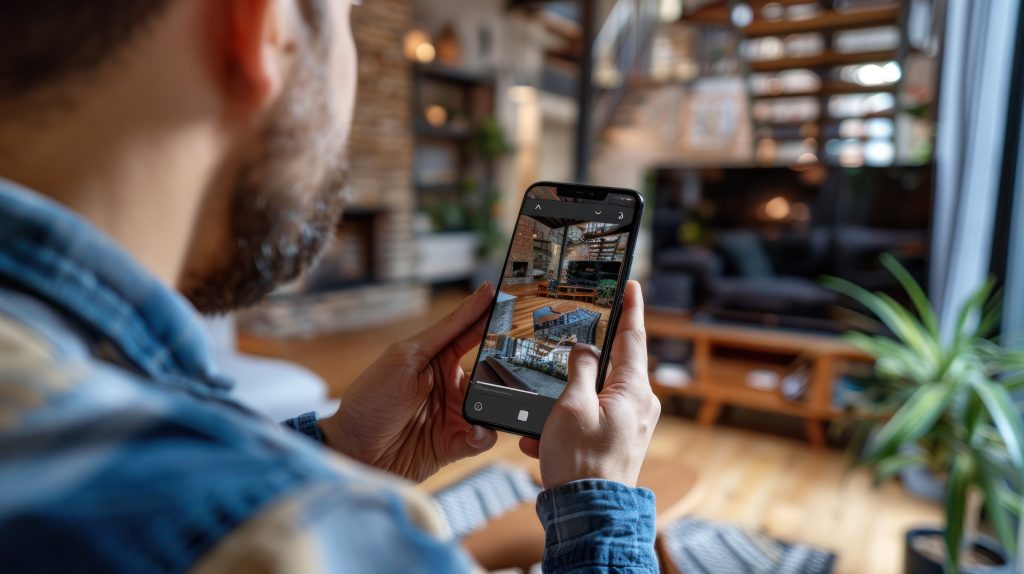
Creating an immersive experience through vertical storytelling in luxury real estate marketing means more than just showcasing properties with simple photography or standard videos.
It involves a multi-layered approach that combines cutting-edge technology and dynamic narratives to captivate potential buyers. By leveraging virtual reality tours, interactive floor plans, and augmented reality features, real estate marketers can offer a fully immersive exploration of properties.
Imagine stepping into a virtual tour where each room comes to life through high-quality visuals and interactive elements. Prospective buyers can navigate through the property, discovering unique features and amenities at their own pace.
This hands-on experience allows them to form a personal connection with the space, envisioning themselves living there. The ability to interact with the environment, such as opening cabinets or walking through hallways, adds a layer of realism that static images simply cannot achieve.
The narrative aspect is equally crucial. By crafting stories that evoke a sense of place and lifestyle, real estate agents can transform a standard property tour into a memorable journey. Instead of merely presenting facts and figures, the story should weave in elements that highlight the property’s unique characteristics and the lifestyle it offers. This approach makes the experience not just informative but also emotionally engaging.
Incorporating advanced technology like virtual reality and augmented reality takes this storytelling to the next level. Virtual reality tours offer a 360-degree view of the property, allowing buyers to feel as if they are physically present.
Augmented reality can overlay information on top of the real-world view, providing additional context and details that enrich the viewer’s understanding. For instance, pointing a smartphone at a kitchen could reveal hidden storage spaces or advanced appliances, adding depth to the experience.
High-quality content creation is vital for these immersive experiences. Professional photography and videography are essential to ensure that the visuals are not only stunning but also accurate representations of the property.
This attention to detail helps build trust with potential buyers, showing them that the property is worth their investment. Tailoring the narrative to highlight the property’s unique selling points ensures that it stands out in a crowded market.
Success Stories and Case Studies
Several luxury real estate brands have embraced vertical storytelling, yielding impressive results and demonstrating the strategy’s potential.
One notable example is a prominent real estate agency that integrated vertical storytelling into their online listings. By employing high-quality videography and interactive elements, they transformed their property showcases into captivating experiences.
This shift not only grabbed potential buyers’ attention but also significantly increased the time they spent exploring each listing. The enhanced engagement translated to quicker sales and higher offer prices, underscoring the efficacy of this innovative approach.
Another case involves a luxury condominium development in a bustling metropolitan area. The developers utilized vertical storytelling to present an immersive view of the building’s lavish amenities and stunning views. Prospective buyers could virtually tour the rooftop pool, state-of-the-art fitness center, and elegant lobbies, all through their smartphones.
This compelling presentation helped prospective buyers visualize the lifestyle they could lead, resulting in a surge of interest and pre-sales before the building was even completed.
A high-end real estate company specializing in exclusive beachfront properties also saw remarkable success with vertical storytelling. They created interactive, 360-degree virtual tours that allowed buyers to experience the properties as if they were there in person.
This innovative approach proved particularly advantageous for international clients who could not visit in person. The ability to explore the properties in such a detailed and engaging manner led to a higher conversion rate, with many buyers making purchase decisions solely based on the virtual tours.
In another instance, a prestigious real estate firm focused on historical estates used vertical storytelling to highlight the unique architectural features and rich history of their properties. They produced video narratives that guided viewers through the estates, showcasing original fixtures, detailed craftsmanship, and the surrounding landscapes. These visually and emotionally engaging stories resonated deeply with their target audience, resulting in a significant uptick in inquiries and faster transaction times.
These examples illustrate how vertical storytelling can effectively elevate the presentation of luxury properties, making them more appealing and memorable to potential buyers. The combination of advanced technology, professional visuals, and compelling narratives creates a rich, immersive experience that traditional methods cannot match.
By focusing on these elements, real estate professionals can craft stories that not only inform but also inspire, leading to greater engagement and success in the competitive luxury market.
Challenges and Considerations

Adopting vertical storytelling in luxury real estate marketing comes with its set of challenges and considerations.
One primary concern is the need for substantial investment in high-quality content creation. Professional photography, videography, and expert storytelling are crucial to crafting the polished, engaging experiences that buyers in this market expect.
This means that real estate professionals must allocate significant resources to ensure their narratives are both visually stunning and emotionally compelling.
In addition to financial investment, the technical expertise required to implement advanced technologies like virtual reality and augmented reality can be a barrier. These tools enhance the storytelling experience but necessitate specialized skills and knowledge.
Real estate marketers may need to partner with tech experts or invest in training to effectively utilize these technologies. Ensuring that the interactive elements are seamless and user-friendly is essential to maintaining the immersive quality of the narrative.
Another critical consideration is the alignment of the storytelling with the property’s unique attributes and the target audience’s preferences. A one-size-fits-all approach will not suffice in the competitive luxury market. Each property’s narrative must be carefully crafted to highlight its distinct features and the lifestyle it offers.
This demands a deep understanding of the property and its potential buyers, requiring marketers to conduct thorough research and engage in creative thinking.
Maintaining consistency across various platforms is also a challenge. As vertical storytelling often involves multiple elements like videos, virtual tours, and interactive features, ensuring a cohesive experience across different devices and platforms is vital.
Given the increasing reliance on mobile devices for property searches, marketers must optimize their content for vertical screens without compromising quality. This means that high-definition visuals and interactive elements need to be seamlessly integrated, regardless of the platform being used.
Privacy and data security are additional considerations. The use of advanced technologies often involves collecting and storing user data, which comes with its own set of legal and ethical responsibilities. Real estate professionals must ensure that their data handling practices comply with relevant regulations and prioritize user privacy. This is especially crucial when dealing with high-net-worth individuals who may be particularly concerned about their personal information.
Furthermore, the rapid pace of technological advancements means that what is cutting-edge today may become obsolete tomorrow. Real estate marketers must stay abreast of the latest trends and innovations to keep their storytelling techniques relevant and engaging. This requires ongoing education and a willingness to experiment with new tools and methods, ensuring that their marketing strategies evolve with the times.
Overall, while vertical storytelling offers numerous benefits, it requires careful planning, significant investment, and a commitment to continuous improvement. By addressing these challenges proactively, real estate marketers can harness the power of vertical storytelling to create compelling, immersive experiences that resonate with luxury buyers.
Future of Luxury Real Estate Marketing
The future of luxury real estate marketing is poised to be shaped by ongoing advancements in storytelling techniques and technology.
As digital tools evolve, they will offer even more immersive and engaging experiences for potential buyers. With 73% of homeowners indicating a preference for agents who use video in their marketing efforts, it’s evident that video storytelling will remain a key component of real estate marketing.
One area of significant growth is the use of artificial intelligence (AI) and machine learning to personalize property presentations. These technologies can analyze user behavior and preferences to tailor content specifically to each viewer, enhancing the overall experience. For example, AI can recommend properties based on a buyer’s previous interactions, or even customize virtual tours to highlight features that are most likely to appeal to them.
Augmented reality (AR) and virtual reality (VR) will continue to revolutionize how properties are showcased. AR can add interactive layers to physical property tours, providing real-time information and context that enrich the viewing experience. VR, on the other hand, allows for fully immersive tours that can be accessed from anywhere in the world, breaking down geographical barriers and broadening the market reach.
The integration of blockchain technology is another trend that could transform the luxury real estate market. Blockchain can offer transparent and secure transactions, making the buying process more efficient and trustworthy. This can be particularly appealing in high-value transactions, where security and transparency are paramount.
Content quality will remain a critical factor in engaging luxury buyers. High-resolution imagery, professionally produced videos, and interactive elements will be essential in capturing and retaining viewer interest. Real estate professionals will need to invest in top-tier content creation to meet the expectations of discerning buyers.
Additionally, the rise of social media as a marketing platform will continue to influence how properties are marketed. Platforms like Instagram and Facebook offer unique opportunities to reach targeted audiences through visually rich content and interactive features. Leveraging these platforms effectively will be crucial for staying competitive in the luxury market.
To stay ahead in this ever-changing landscape, real estate professionals must remain adaptable and continuously explore new storytelling methods that captivate their audience and set their listings apart from the competition.
Looking to elevate your property’s listing? Reach out to us today to learn about our exclusive media and marketing services!


