
In the ever-evolving world of photography, heritage houses offer a unique canvas to capture the essence of history and design.
These luxury homes, steeped in tradition, present an opportunity to immortalize the elegance and craftsmanship of bygone eras. As we journey through these architectural masterpieces with our cameras, we find ourselves not just documenting real estate but preserving stories etched into the walls of time.
Whether you are an aspiring photographer or a seasoned professional, understanding how to frame these historical treasures with innovation and quality can enrich your portfolio and deepen your appreciation for these cultural landmarks.
Understanding the History
Embarking on the photographic journey of heritage houses requires more than just technical skills; it demands an intimate understanding of the history that these luxury homes embody.
Each house is a silent storyteller, narrating tales of its era, the people who inhabited it, and the societal shifts it has witnessed. This historical backdrop enriches your photography, offering layers of meaning that transform simple snapshots into compelling visual narratives.
Start by researching the period when the house was built, noting the architectural style and the cultural context of that time. Were these homes designed during the Victorian era, or do they reflect the minimalist trends of the early 20th century? Understanding these nuances allows you to highlight elements that are true to the home’s original design, enhancing the authenticity of your work.
Dive deeper into the lives of the house’s previous occupants. Were they influential figures in the community, or perhaps pioneers in a particular industry? These personal histories add a human element to the architectural beauty, infusing your photographs with a sense of lived experience. Old photographs, letters, and historical documents can offer valuable insights and even inspire creative compositions that honor the past.
The geographical location of these heritage houses also plays a crucial role in their story. Whether nestled in bustling urban centers or serene rural landscapes, the surroundings often reflect the historical and economic conditions of the time. Capture how the house interacts with its environment—whether it’s the grand entrance framed by ancient trees or the intricate wrought-iron fences that have stood the test of time.
By immersing yourself in the history of these luxury homes, you bring depth and context to your photography, turning each image into a rich tapestry of time, culture, and human endeavor.
Appreciating the Architectural Design
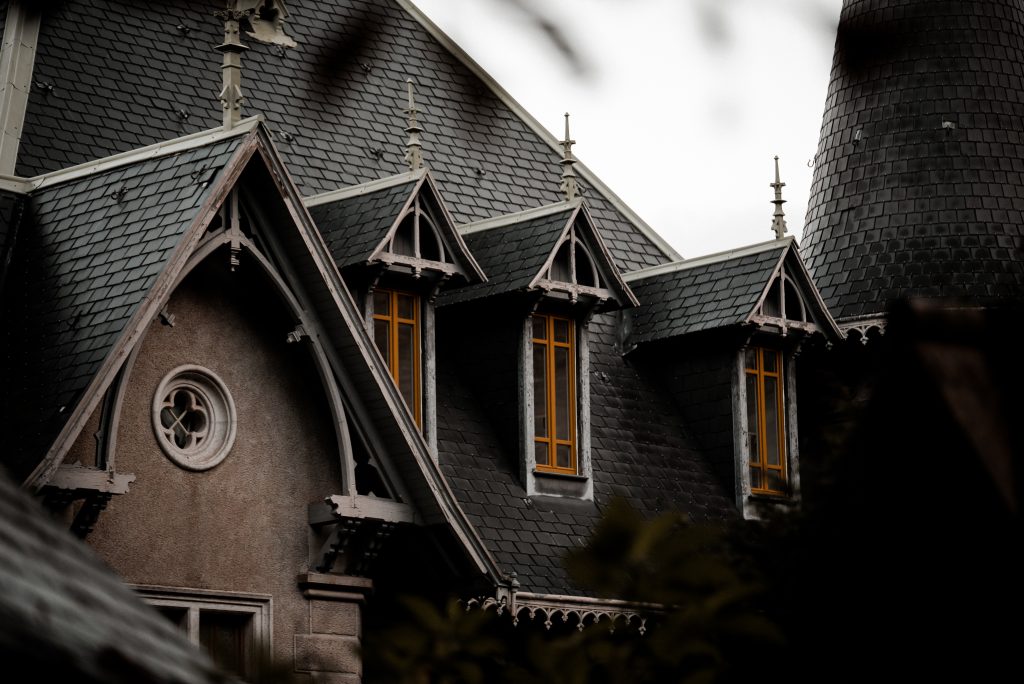
The architectural design of heritage houses stands as a remarkable testament to the artistic and engineering genius of their creators.
As you embark on photographing these luxury homes, take a moment to appreciate the intricate details that contribute to their grandeur. Whether it’s the delicate carvings on a Victorian-era facade or the bold geometric lines of an Art Deco masterpiece, each element plays a vital role in telling the home’s story.
Focus on the harmonious balance of lines and the elegance of symmetry that often characterize these historical gems. Capture the way shadows play across ornate moldings or the soft light filtering through stained glass windows. These details, when highlighted thoughtfully, can transform your photographs into vivid representations of architectural splendor.
Consider the materials used in the construction of these homes—whether it’s the sturdy brickwork of a colonial mansion or the intricate tile mosaics of a Spanish Revival estate. Each material tells a part of the home’s history and reflects the craftsmanship of its era. By showcasing these elements, you invite viewers to appreciate not only the design but also the dedication and skill that went into creating these lasting monuments.
Angles and perspectives are crucial in capturing the full essence of a heritage house’s architecture. Experiment with different vantage points to reveal the structural ingenuity and artistic flourishes that might otherwise go unnoticed. Whether you’re photographing a sweeping staircase or a grand entrance framed by ancient trees, the right angle can evoke a sense of awe and admiration.
By immersing yourself in the architectural beauty of these luxury homes, you enrich your photographic narrative, offering a window into the past that is both visually stunning and deeply meaningful.
Lighting the Scene
The subtle interplay of light and shadow can dramatically enhance the architectural allure of heritage houses.
Whether bathed in the soft glow of morning light or illuminated by the rich hues of twilight, these luxury homes reveal their most captivating features when lit thoughtfully. Embrace the golden hours, when the sun casts a warm, inviting light that accentuates the textures and colors of the architecture, adding a timeless quality to your photographs.
Experiment with different lighting techniques to uncover the hidden beauty of each heritage home. Utilize natural light to emphasize the elegance of ornate details, such as intricate woodwork or elaborate moldings. For interiors, consider the placement of windows and how daylight filters through them, creating dynamic patterns and highlighting the craftsmanship of vintage fixtures.
Artificial lighting can also play a pivotal role in your photography. Strategically placed lamps or soft overhead lighting can enhance the ambiance of a room, drawing attention to key elements without overpowering the scene. Balancing natural and artificial light helps to create a harmonious atmosphere that echoes the lived-in charm of these historical spaces.
Reflectors and diffusers can be invaluable tools, allowing you to control the light and achieve the desired effect. By softening harsh shadows or directing light to specific areas, you can create a balanced composition that showcases the architectural brilliance of heritage houses. Pay attention to how light interacts with different materials, such as the sheen of polished wood or the transparency of stained glass, to bring out their unique qualities.
Mastering the art of lighting not only enhances the visual appeal of your photographs but also adds depth and dimension, inviting viewers to step into a world where history and design converge in perfect harmony.
Capturing the Interior Charm
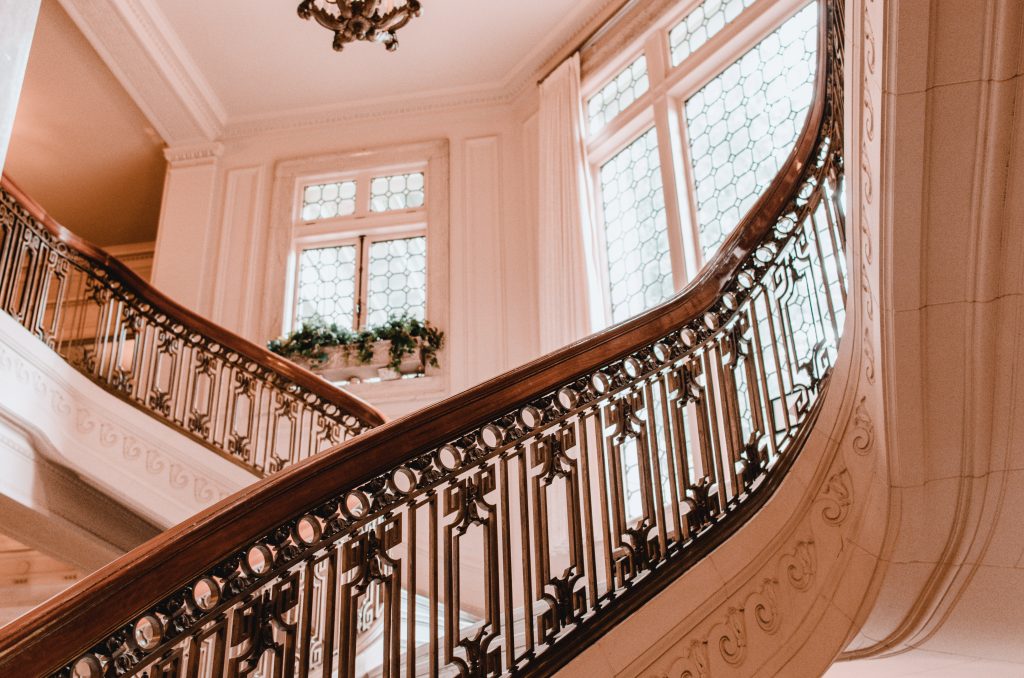
When stepping inside heritage houses, one discovers a realm of charm and history that beckons to be photographed. These luxury homes, with their intimate spaces and refined details, tell the stories of past eras. To capture their interior charm, pay close attention to elements that reveal the character and elegance of the home.
Focus on the unique features that set these interiors apart. Antique furniture, vintage fixtures, and original woodwork can transform a room, adding layers of history and sophistication. Use a wide-angle lens to encompass the grandeur of large spaces, such as grand parlors or sweeping staircases. This approach allows you to convey the full scope of the room’s architecture and design.
For closer shots, zero in on finer details that highlight the craftsmanship of the era. Ornate moldings, intricate tile work, and bespoke cabinetry can serve as focal points, offering a glimpse into the meticulous artistry that defines these homes. Use natural light to your advantage, letting it illuminate these features and create a warm, inviting atmosphere.
Consider the composition carefully. Utilize the rule of thirds, leading lines, and framing to guide the viewer’s eye and evoke a sense of wonder. Whether capturing the cozy corner of a library bathed in soft light or the elegant symmetry of a dining room, thoughtful composition enhances the visual narrative.
Experiment with different angles to reveal the depth and complexity of each space. A low angle can emphasize the height of a coffered ceiling, while a high vantage point might highlight the pattern of a mosaic floor. Each perspective offers a new way to appreciate the interior charm of these heritage houses.
By immersing yourself in the unique beauty of these interiors, you can create photographs that resonate with viewers, inviting them to explore and appreciate the historical elegance that luxury homes have to offer.
Highlighting Unique Features
Each heritage house presents a wealth of distinctive features that are integral to its charm and character.
As a photographer, your task is to identify these unique elements and bring them to the forefront, creating images that celebrate the individuality of each luxury home. Look for architectural details that set the property apart, such as an intricately carved wooden staircase, an antique chandelier, or a mosaic-tiled fireplace. These features not only showcase the home’s historical significance but also highlight the exquisite craftsmanship of its era.
Pay attention to the exterior elements that contribute to the home’s allure. Whether it’s an ornate wrought-iron gate, a lush garden courtyard, or an elaborate stone facade, these outdoor features can add depth and context to your photographs. Capture how these elements interact with natural light and shadows to enhance their visual appeal.
Interior features like stained glass windows, original woodwork, and bespoke cabinetry offer rich opportunities for close-up shots. Utilize natural light to bring out the textures and colors, ensuring these elements stand out without losing their historical essence. Experiment with different angles to reveal the full complexity and beauty of these features.
Don’t overlook the smaller, subtler details that contribute to the home’s unique character. Vintage door handles, period-specific light fixtures, and antique furnishings can all serve as focal points in your compositions. By focusing on these distinctive elements, you not only enrich your visual narrative but also pay homage to the creativity and vision that went into designing these luxurious spaces.
In every shot, strive to capture the essence of what makes each heritage house special. This focused attention to detail transforms your photography into a powerful storytelling medium, inviting viewers to appreciate the rich tapestry of history and design that defines these magnificent homes.
Telling a Story Through Composition
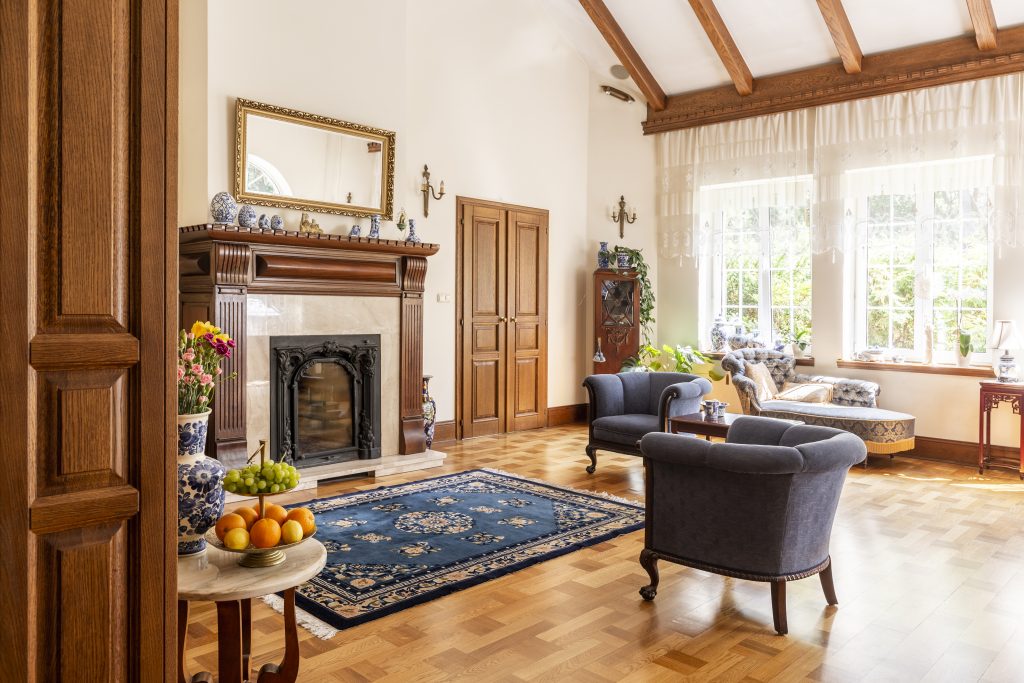
Composition is the cornerstone of storytelling in architectural photography, especially when capturing the timeless beauty of heritage houses.
Utilize the rule of thirds to create a balanced frame that draws the viewer’s eye to the most compelling elements of the home. Leading lines can guide the gaze through the photograph, emphasizing the grandeur of a sweeping staircase or the intricate details of a period-specific facade.
Incorporate framing techniques to highlight focal points within the scene. For instance, use doorways or archways to naturally frame a stunning interior, adding depth and context. This technique not only accentuates the architectural design but also invites the viewer to step into the story you’re telling.
Experiment with perspectives to reveal the essence of these luxury homes. A low angle can make an ornate ceiling appear even more majestic, while a high vantage point might provide an intriguing overview of a meticulously designed garden. Each perspective offers a unique way to experience the historical and aesthetic value of the property.
Pay close attention to symmetry and patterns that are prevalent in heritage houses. Capture the rhythmic repetition of windows, columns, or tiles to underscore the craftsmanship and meticulous planning that went into these architectural masterpieces. Symmetry can evoke a sense of harmony and order, adding to the visual appeal of your photographs.
Lastly, consider the interplay of light and shadow within your composition. The way light falls across a room or highlights a specific feature can add drama and emotion to your images. This dynamic use of lighting enriches your visual narrative, allowing viewers to appreciate the intricate beauty and storied past of these remarkable homes.
Editing with a Gentle Touch
Post-processing your photographs of heritage houses is an art that requires a delicate hand, ensuring that the historical integrity and timeless beauty of these luxury homes remain unaltered.
When making adjustments, focus on subtle enhancements that bring out the best in your images without overshadowing their natural charm. Carefully refine exposure levels to balance light and shadow, preserving the depth and dimension captured during your shoot.
Contrast adjustments can help to highlight the intricate details of architectural elements like moldings and carvings, but take care not to overdo it. The goal is to enhance the textures and features without making them appear unnatural. Color balance is another critical area—aim to maintain the authentic hues of materials like wood, brick, and stone, which are integral to the home’s character.
Use sharpening sparingly to bring clarity to fine details while avoiding an overly processed look. Tools like noise reduction can be beneficial, especially for low-light shots, but ensure the image retains its crispness and definition. When working with vintage elements, such as antique furnishings or aged walls, allow their patina and historical wear to shine through, as these imperfections contribute to the story of the home.
Selective editing techniques can be particularly useful for focusing on specific features while leaving the rest of the scene untouched. This approach ensures that your edits enhance rather than overshadow the inherent beauty of the heritage house. By applying a gentle touch in your editing process, you uphold the authenticity and historical essence of these luxurious spaces, presenting them in a way that is both polished and true to their original grandeur.
Respecting the Heritage

Photographing heritage houses comes with the responsibility of honoring their cultural and historical significance.
As you capture these luxury homes, it’s crucial to approach them with a sense of reverence and respect. Always ensure that your presence and equipment do not cause any harm to the property. Be mindful of the delicate materials and features that define these historical landmarks, such as vintage fixtures, intricate woodwork, and antique furnishings.
When planning your shoot, consider the guidelines and regulations that may be in place to protect these architectural treasures. Collaborate with property owners or caretakers to understand any restrictions and gain insights into the best practices for photographing the space. This not only ensures the preservation of the heritage house but also provides you with valuable information that can enhance your photography.
Respect extends beyond the physical preservation of the property; it also involves acknowledging and honoring the stories and lives that have shaped these homes. Approach each photograph with the intent to authentically represent the era and the people who once inhabited these spaces. By doing so, you contribute to a respectful and accurate portrayal of history.
Remember that heritage houses are irreplaceable artifacts of our cultural and architectural legacy. Your photographs have the power to document and celebrate their beauty while preserving their essence for future generations. Through careful consideration and ethical photography practices, you play a vital role in safeguarding these luxurious historical gems.
Creating a Personal Connection
Photographing heritage houses transcends technical skill; it is an intimate dance with history and design.
As you explore these luxury homes, take time to absorb the ambiance and the stories each space tells. Engage deeply with the architecture—let your senses guide you. Feel the texture of aged wood under your fingertips and listen to the echoes of footsteps on original flooring. This tactile interaction enriches your visual narrative, infusing your photographs with authenticity and soul.
Consider spending moments in quiet reflection within these spaces. Imagine the lives lived here, the conversations held, and the events that shaped the home’s legacy. This emotional connection will resonate through your lens, allowing you to capture images that are not just visually striking but also deeply evocative.
Share your journey with others by accompanying your images with anecdotes or historical insights. This narrative approach draws viewers into the world of heritage houses, making them not just spectators but participants in the preservation of history.
By forming a personal bond with these homes, you elevate your photography from mere documentation to an art form that honors and immortalizes the past.
Looking to elevate your property’s listing? Reach out to us today to learn about our exclusive media and marketing services!


