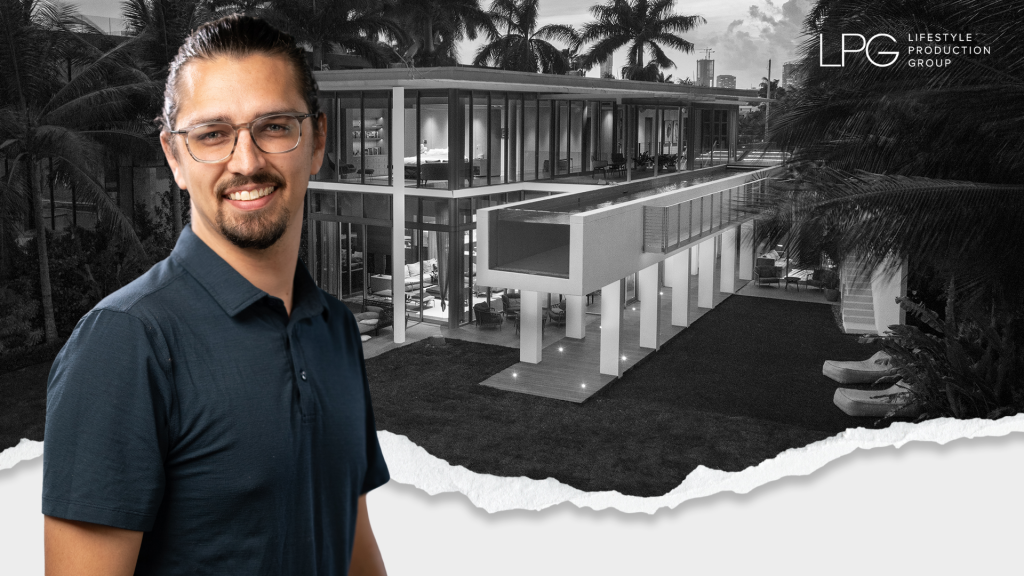
Owning a large estate is an extraordinary commitment that merges sophistication with unparalleled opportunity.
Beyond the captivating charm of sprawling grounds and intricate architectural details, these properties embody a profound investment in lifestyle and legacy. For those who aspire to own such a residence, understanding the multifaceted responsibilities tied to these properties is essential to fully appreciate their value.
Every large estate is unique, reflecting the personal vision and preferences of its owner. From sweeping driveways to meticulously designed gardens, these estates often require a level of stewardship that extends beyond the ordinary. The scale of the property means that every decision, from design enhancements to routine care, carries significant weight. Estate ownership transcends the conventional experience of homeownership, demanding a heightened level of attention and planning.
However, with such grandeur comes complexity. Prospective owners must consider the long-term implications of this investment, as these estates often extend well beyond a home’s traditional functions. They frequently serve as venues for hosting, entertaining, or even conducting business, further amplifying their role in an owner’s life. This dual nature—as both a personal haven and a dynamic asset—offers opportunities for enrichment but also underscores the necessity of deliberate preparation.
Moreover, the allure of a large estate often lies in its potential for evolution. Whether expanding the property, implementing new technologies, or introducing sustainable solutions, there is virtually no limit to what these grand spaces can achieve. Owners are given the unique opportunity to shape their estates into living reflections of their ambitions and creativity. The key, however, is to embrace the intricacies involved and maintain a clear understanding of the estate’s demands at every stage of ownership.
By acknowledging the broader scope of what estate ownership entails, individuals can begin to unlock the true potential of these remarkable properties, crafting experiences that not only enrich their own lives but also leave an enduring mark on future generations.
Initial Purchase Considerations

Acquiring a large estate is a decision that demands both ambition and meticulous preparation.
The initial purchase is a multi-faceted process, requiring prospective buyers to navigate not only the real estate market but also the intricate details that accompany such a significant transaction. For properties of this magnitude, understanding the nuances of valuation is paramount. Market conditions, location desirability, and unique features of the estate play a critical role in determining the asking price. Buyers must also anticipate ancillary costs that extend beyond the purchase price itself.
Legal and administrative fees are an essential consideration, encompassing everything from property appraisals to title insurance. These services ensure that the transaction is not only seamless but also legally sound. Additionally, inspections specific to large estates, such as land surveys or structural evaluations, may be necessary to gain a full understanding of the property’s current state and future potential. Such insights often prove invaluable in negotiating the terms of the purchase.
For those considering estates with historic significance or custom architectural elements, due diligence becomes even more critical. Understanding any preservation requirements or zoning restrictions is essential to avoid unexpected complications after closing. Additionally, estates with expansive grounds or specialized amenities—such as equestrian facilities or private vineyards—may come with unique terms and conditions that must be carefully reviewed. This underscores the importance of working with a knowledgeable team of advisors, including attorneys and real estate agents who specialize in luxury properties.
Equally important is establishing clarity around financing options. Many buyers choose to finance their purchase, but securing a mortgage for a high-value property often involves more stringent requirements and extended timelines. Preparing detailed financial documentation and consulting with lenders experienced in large estate transactions can help streamline the process. These initial considerations set the stage for an ownership experience defined by confidence and foresight, ensuring the estate becomes a cornerstone of lifestyle and legacy.
Maintenance and Upkeep
The ongoing maintenance and upkeep of a large estate are pivotal to preserving its beauty, functionality, and long-term value.
For luxury properties, the annual maintenance investment can be substantial, with costs ranging from $100,000 to $300,000 for a $10 million estate, equivalent to approximately 1% to 3% of the property’s overall value. The cost can reach from $100,000 to $300,000 for a $10 million estate, which represents approximately 1% to 3% of the property’s total value. These expenditures often include everything from landscaping and HVAC system maintenance to cleaning and pest control, ensuring the estate remains in peak condition.
Seasonal considerations also play a key role in shaping upkeep routines, particularly for estates situated in regions with extreme weather. In areas prone to heavy snowfall, for example, professional snow removal services are often necessary to maintain accessibility and safety. Engaging a service for manual plowing and walkway shoveling can cost between $1,000 and $3,000 each winter season. Similarly, warm-weather maintenance may involve irrigation system repairs or pool servicing, ensuring that outdoor spaces remain as inviting as their interiors.
For larger estates with expansive grounds or specialized amenities such as tennis courts or equestrian facilities, the scope of maintenance becomes even more intricate. These features often demand expert attention, requiring specialized contractors or service providers to uphold their quality and usability. Furthermore, routine inspections of the property’s infrastructure—such as roofing, plumbing, and electrical systems—are essential to prevent small issues from escalating into costly repairs.
Another important factor is the reliance on professional staff, who can manage day-to-day responsibilities like housekeeping and groundskeeping. Their expertise ensures that all aspects of the estate are meticulously cared for, from pruning ornamental gardens to maintaining the mechanical systems that support a seamless lifestyle.
By dedicating resources and attention to upkeep, estate owners can preserve the property’s exceptional allure while safeguarding its legacy for years to come.
Utility and Operational Costs

Managing the utility and operational costs of a large estate demands a strategic approach to balance both efficiency and comfort.
The sheer size of these properties, coupled with their often intricate designs and specialized amenities, significantly impacts energy consumption. High ceilings, expansive windows, and multiple buildings can lead to increased heating, cooling, and electricity requirements. Implementing energy-efficient solutions, such as smart thermostats, LED lighting, or solar panels, can help mitigate these expenses while maintaining the estate’s luxurious appeal.
Water usage is another significant consideration, especially for estates with extensive landscaping, fountains, or pools. Advanced irrigation systems equipped with moisture sensors or rainwater harvesting technology can optimize water consumption, reducing costs while supporting sustainable practices. For properties located in drought-prone areas, working with professional landscapers to design low-maintenance, drought-resistant gardens can be both cost-effective and environmentally responsible.
In addition to utilities, operational costs encompass the personnel needed to maintain the estate’s daily rhythm. Depending on the scale of the property, staff may include housekeepers, gardeners, security personnel, and specialized professionals for amenities such as wine cellars or equestrian facilities. These roles are crucial for ensuring the property operates smoothly, offering a level of care and attention that aligns with the estate’s high standards.
Technology also plays a pivotal role in estate operations, with many owners integrating smart home systems to streamline management. Automated security systems, remote-controlled lighting, and centralized climate controls offer convenience while helping monitor and manage energy consumption across vast spaces. Regularly updating these systems ensures optimal functionality and prevents inefficiencies.
Additionally, estates often rely on consistent delivery services, whether for maintaining stocked pantries, luxury furnishings, or bespoke goods that enhance the property’s overall experience. Allocating resources toward reliable logistics ensures seamless operations, further supporting the property’s grandeur and livability.
Property Taxes and Insurance
When it comes to managing the financial responsibilities of a large estate, property taxes and insurance represent significant components that demand careful attention.
Property taxes are assessed based on the location and valuation of the estate, which can fluctuate due to changes in market conditions or improvements made to the property. For luxury estates, these taxes are often substantial, and staying informed about local tax regulations is essential to avoid surprises. Some regions may offer exemptions or incentives for properties with historic significance or those implementing sustainable practices, which can help mitigate costs. Working with a tax professional experienced in high-value properties can provide invaluable guidance, ensuring compliance while identifying potential savings.
Insurance coverage for a large estate must be as tailored as the property itself. The expansive nature and unique features of these homes often mean standard homeowner’s policies are insufficient. Specialized insurance is required to protect not only the primary residence but also additional structures such as guesthouses, stables, or workshops, along with high-value assets like art collections or custom furnishings. Coverage considerations should also extend to natural disasters, especially if the estate is located in areas prone to hurricanes, wildfires, or earthquakes.
Additionally, large estates often host events or accommodate visitors, creating potential liability risks that standard policies may not fully address. Comprehensive liability coverage is crucial to safeguard against unforeseen incidents, offering peace of mind whether the property serves as a private retreat or a venue for social gatherings. For those with unique amenities such as pools, equestrian facilities, or vineyards, policies may need to include add-ons tailored to these features to ensure full protection.
Annual policy reviews are essential to keep coverage aligned with the property’s evolving needs. As estates grow or undergo renovations, insurance requirements can change, necessitating adjustments to existing policies. Collaborating with an insurance broker who understands the complexities of luxury properties ensures that coverage is optimized, offering robust protection without unnecessary expenses.
Financial Planning and Reserves

Strategic financial planning forms the backbone of successful large estate ownership, offering a roadmap to navigate both predictable and unforeseen expenses with confidence.
Establishing a well-structured financial framework not only ensures the seamless operation of the estate but also preserves its value and functionality over time. Allocating funds for routine maintenance, staffing, and utility costs requires detailed forecasting, taking into account seasonal variations and the unique demands of the property.
Emergency reserves are an essential component of any financial strategy, serving as a safeguard against unexpected expenses such as urgent repairs or unanticipated events. These reserves should be readily accessible and sufficient to cover significant costs without disrupting the estate’s overall financial stability. Whether it’s addressing weather-related damages or replacing essential systems, having a dedicated fund in place ensures swift resolution without compromising the property’s quality.
For estates that undergo frequent enhancements or renovations, planning for capital expenditures is equally important. Setting aside resources for large-scale projects, such as modernizing infrastructure or integrating new technologies, prevents financial strain and supports the estate’s long-term vision. Leveraging professional financial advisors who specialize in luxury properties can help owners develop a tailored budget, optimizing expenditures while ensuring flexibility for evolving needs.
Additionally, tracking and reviewing expenses regularly is critical for maintaining fiscal efficiency. Utilizing advanced budgeting tools or software allows owners to monitor spending patterns, identify potential areas for cost savings, and refine allocations as necessary. For example, transitioning to energy-efficient solutions or re-evaluating vendor contracts can yield measurable financial benefits while enhancing operational sustainability.
Diversifying financial resources is another key consideration, particularly for owners who wish to balance personal use with revenue-generating opportunities. Setting aside funds for potential investments, such as converting unused spaces into rentable accommodations or developing amenities for events, can open new avenues for income while preserving the property’s grandeur.
An estate of this caliber demands a proactive approach to financial stewardship, where deliberate planning and adaptability work hand in hand to ensure its enduring success. By treating financial management as a dynamic process, owners can maintain the balance needed to support both the estate’s immediate needs and its aspirational possibilities.
Potential for Revenue Generation
Large estates, with their expansive spaces and distinctive features, offer unique opportunities to generate additional income while maintaining their grandeur and charm.
The versatility of these properties makes them ideal for creating revenue streams that complement an owner’s vision and lifestyle. One of the most popular options is transforming unused areas into rentable spaces. Guesthouses, carriage houses, or even a section of the main estate can be offered as high-end accommodations for vacationers or long-term tenants, providing a steady income while preserving the estate’s exclusivity.
For estates with picturesque landscapes or historic allure, hosting events is another lucrative avenue. Weddings, corporate retreats, or private galas can capitalize on the property’s aesthetic appeal, offering a one-of-a-kind experience for attendees. By working with professional event planners and leveraging the estate’s unique features, owners can create an exclusive venue that attracts premium clients. Additionally, amenities such as gardens, stables, or wine cellars can be incorporated into event packages, enhancing their marketability and driving up revenue potential.
Estates with agricultural potential, such as orchards, vineyards, or farmland, can also produce income through sustainable operations. Bottling estate-grown wine, offering farm-to-table experiences, or producing specialty goods like honey or olive oil can connect the property to local markets or even create a luxury brand associated with the estate. These ventures not only provide financial returns but also align with sustainable and innovative practices.
Collaborating with film or photography professionals is another creative way to monetize a property. Large estates often serve as sought-after locations for photo shoots, film productions, or advertisements, given their unique architecture and ambiance. Such partnerships can generate significant revenue with minimal disruption to the property.
By carefully selecting income-generating activities that align with their vision, estate owners can seamlessly blend financial growth with the ongoing preservation and enhancement of their property.
Weighing the Costs and Benefits

Owning a large estate is more than just acquiring a property—it’s a commitment to a lifestyle defined by elegance, innovation, and opportunity.
These estates provide an unparalleled canvas for personal expression, offering owners the chance to create spaces that reflect their ambitions and values. However, with such grandeur comes a need for deliberate planning and an appreciation of the responsibilities that accompany long-term ownership.
The benefits of owning a large estate are as vast as the properties themselves. They serve as private retreats, spaces for entertainment, and dynamic assets that can evolve to meet an owner’s vision. Whether hosting unforgettable gatherings, cultivating unique revenue streams, or shaping the estate into a legacy for future generations, these properties offer opportunities that transcend traditional homeownership.
That said, navigating the costs requires a strategic and proactive mindset. From ongoing maintenance and utilities to taxes and staffing, the financial investment is substantial and often multifaceted. Owners who approach these demands with a clear financial strategy, supported by a team of knowledgeable professionals, will find themselves better equipped to sustain the estate’s long-term value while enjoying the rewards it brings.
Ultimately, the allure of a large estate lies in its transformative potential. These properties offer an extraordinary balance of luxury and utility, allowing owners to craft a legacy that extends far beyond the present. For those prepared to embrace both the challenges and rewards of ownership, the experience can be profoundly fulfilling, bringing not just prestige but also a sense of achievement and purpose.
Balancing ambition with practicality is key. With careful planning, expert support, and a vision for the estate’s future, owners can unlock the full potential of their property, ensuring it remains an enduring source of pride, comfort, and inspiration.
Looking to elevate your property’s listing? Reach out to us today to learn about our exclusive media and marketing services!
Discover a curated collection of hyperlocal premium real estate videos and images available exclusively through our dedicated stock photo library.