Legacy neighborhoods represent a harmonious blend of history, architecture, and community, creating spaces that stand apart in their timeless appeal.
These neighborhoods are often rooted in tradition, where stories of generations past are etched into the streets and homes, offering a sense of continuity that resonates deeply with residents. They exude an aura of sophistication, attracting individuals who value both heritage and the stability these areas provide.
What makes legacy neighborhoods truly desirable is their ability to seamlessly adapt to the evolving needs of their residents while preserving their historic essence. These communities are more than just physical locations; they are living, breathing entities that reflect the cultural and social fabric of the people who inhabit them. From tree-lined avenues to stately homes, every element is thoughtfully designed or preserved to enhance the overall character and desirability of the area.
A defining trait of legacy neighborhoods is their exclusivity, not in a sense of inaccessibility, but in the quality of life they provide. They offer an elevated experience where craftsmanship, community values, and modern conveniences coexist. Residents often form strong, intergenerational bonds, contributing to a sense of belonging that is rarely replicated in newer developments.
Beyond their visual appeal, these neighborhoods are a testament to intentional urban planning that prioritizes both heritage and functionality. Carefully maintained infrastructure, alongside proximity to essential services, creates a lifestyle that balances tradition with modernity. Residents are not just drawn to the aesthetic allure but to the depth of experience that living in such a neighborhood provides.
As time progresses, the enduring desirability of legacy neighborhoods serves as a reflection of their ability to evolve without losing their soul. They are spaces where the past and present converge, offering not only a place to live but also a sense of purpose and connection that is deeply cherished by those who call them home.
Architectural Heritage and Aesthetic Appeal
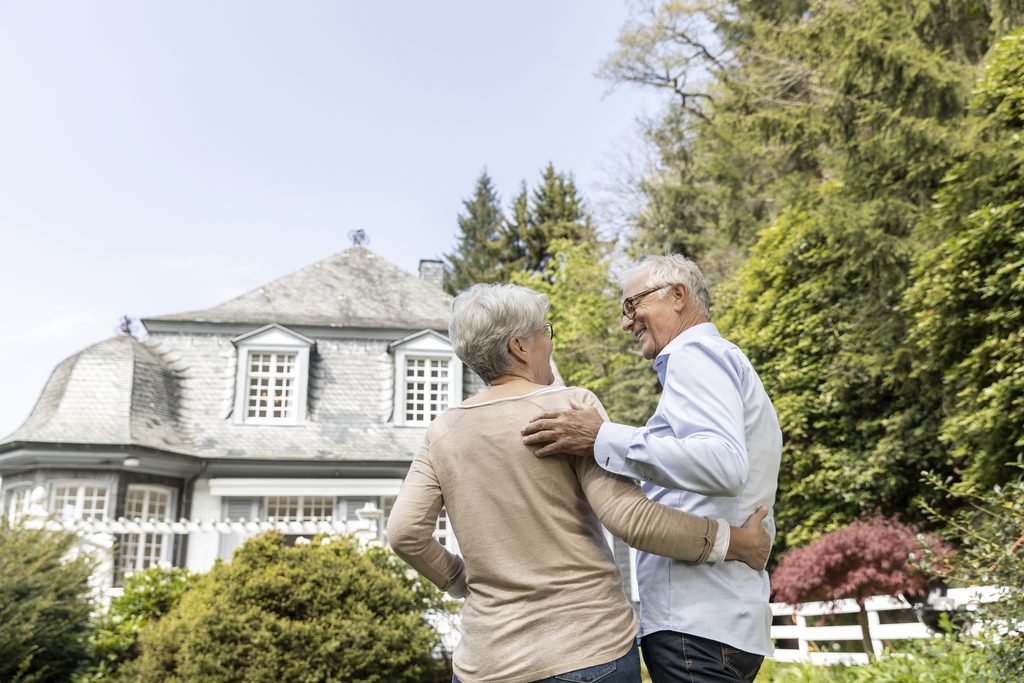
Legacy neighborhoods are often defined by their extraordinary architectural heritage, where each structure tells a story of craftsmanship and artistry.
Walking through these neighborhoods feels like stepping into a living gallery of design, with homes and buildings showcasing a variety of styles, from Colonial Revival and Victorian to Tudor and Mid-Century Modern. The attention to detail in these structures, from ornate moldings to hand-carved woodwork, reflects an era when quality and aesthetics were paramount.
Preservation efforts play a crucial role in safeguarding this architectural legacy. Many of these neighborhoods benefit from historic district designations, which protect significant buildings from being altered or demolished. These measures ensure that the visual and cultural identity of the area remains intact, even as urban landscapes evolve around them. Restored homes are often updated with modern conveniences that seamlessly integrate with their original designs, allowing residents to enjoy the best of both tradition and innovation.
Beyond individual homes, the broader streetscapes in these neighborhoods also contribute to their aesthetic appeal. Thoughtfully planned layouts, tree-lined boulevards, and cohesive architectural themes create a sense of harmony that is difficult to replicate in contemporary developments. Materials like natural stone, brick, and wood further enhance the sense of timelessness, standing as a testament to the durability and elegance of these designs.
Architectural heritage in legacy neighborhoods isn’t just about preserving beauty—it’s about maintaining a sense of place. These neighborhoods provide a unique connection to the past, offering a physical and emotional anchor for those who live there. Residents often take pride in maintaining their homes, investing in high-quality renovations that honor the original character while meeting modern needs.
This shared commitment to preservation not only enhances the visual charm of the area but also strengthens community ties, as neighbors come together to celebrate and protect the distinctive character of their surroundings.
Cultural and Social Influence
Legacy neighborhoods are deeply enriched by their cultural and social significance, serving as living embodiments of the traditions and histories that shaped them.
These communities often host long-standing events, from annual parades to neighborhood festivals, that bring residents together in celebration of their shared heritage. Such traditions create a rhythm of life unique to these areas, fostering bonds that transcend generations and cultivating a collective identity among those who call these neighborhoods home.
The social fabric of legacy neighborhoods is often woven with stories of influential figures, artists, and visionaries who once lived and thrived there. Their contributions leave an indelible mark, whether through the arts, civic achievements, or philanthropic efforts, and these legacies continue to inspire the current generation of residents. Walking down the same streets where history was made fosters a deep connection to the past, creating a sense of pride and reverence for the community’s roots.
The cultural richness of these neighborhoods is further reflected in the institutions and spaces that support and celebrate the arts, education, and local traditions. Galleries, historic landmarks, and community centers often serve as hubs of creativity and connection, offering spaces for residents to gather and engage. These elements help sustain a vibrant community dynamic, where collaboration and shared experiences are integral to daily life.
Moreover, the design of legacy neighborhoods often encourages neighborly interaction, with porches, communal green spaces, and walkable streets naturally facilitating connections. Residents come together to support one another, whether through informal networks or organized groups that advocate for the preservation and growth of the neighborhood. This sense of solidarity is a cornerstone of what makes these areas so desirable, providing not just a place to live, but a genuine sense of belonging.
Ultimately, the cultural and social influences of legacy neighborhoods are not static—they continue to evolve as new generations contribute their own narratives. This ongoing interplay of history and contemporary life ensures these communities remain dynamic, vibrant, and deeply meaningful for all who experience them.
Economic Stability and Property Value

Economic stability is a defining feature of legacy neighborhoods, making them some of the most coveted areas for both homeowners and investors.
These neighborhoods consistently demonstrate resilience in property value, maintaining their status as attractive long-term investments. Their stability is often rooted in a combination of historical significance, desirable locations, and enduring community appeal, which work together to sustain demand over time.
Data underscores this remarkable consistency. Specifically, 29.6% of affluent neighborhoods in 1970 continued to be affluent through 2010, underscoring their consistent economic allure. This ability to retain affluence across decades highlights how legacy neighborhoods act as anchors of economic reliability, attracting residents and investors alike.
The intrinsic value of these areas is further bolstered by the quality of their infrastructure and access to amenities, which reinforce their appeal. Proximity to major business hubs, renowned schools, and cultural landmarks ensures a steady influx of interest, while thoughtful preservation efforts maintain the unique characteristics that make these neighborhoods distinctive. This careful balance between modern convenience and historic charm plays a crucial role in safeguarding property values.
Homebuyers are often drawn to the stability that legacy neighborhoods represent, viewing them as secure investments in an ever-changing market. This reputation for reliability fosters a strong sense of confidence among residents, encouraging long-term ownership and contributing to a robust sense of community. Furthermore, the exclusivity associated with these areas—manifested through well-maintained homes, cohesive streetscapes, and a shared commitment to preservation—amplifies their desirability, ensuring that demand consistently outweighs supply.
The economic performance of legacy neighborhoods isn’t merely a byproduct of their history; it’s a reflection of their enduring relevance in today’s real estate landscape. The intergenerational appeal of these areas, coupled with their proven track record of maintaining desirability, positions them as invaluable assets in both financial and lifestyle terms.
Access to Quality Amenities
Legacy neighborhoods are renowned for offering a curated lifestyle enriched by unparalleled access to premium amenities.
These communities are often located near top-performing schools, providing families with exceptional educational opportunities that add immeasurable value to daily life. Beyond academics, many legacy neighborhoods are home to cultural institutions, recreational facilities, and boutique businesses, creating a vibrant environment where convenience and sophistication merge seamlessly.
A defining aspect of these neighborhoods is the personalized attention to residents’ needs, reflected in the array of exclusive services and establishments that cater to refined tastes. Independent shops, artisanal markets, and fine dining restaurants often flourish in these areas, offering unique, high-quality experiences that foster a sense of local pride. Residents benefit not only from practical conveniences but also from a dynamic cultural scene that enhances their connection to the community.
Health and wellness amenities further elevate the appeal of legacy neighborhoods. Many of these areas are designed to support an active lifestyle, featuring walkable streets, access to fitness centers, and nearby parks that encourage outdoor recreation. Whether it’s a morning run along tree-lined paths or an afternoon spent at a local farmer’s market, these amenities contribute to an enriched quality of life.
Transportation access is another key component, as legacy neighborhoods are often strategically situated near major transit hubs or city centers. This proximity not only ensures ease of commuting but also connects residents to a broader range of cultural and professional opportunities. However, the thoughtful urban planning in these neighborhoods ensures they retain a peaceful, residential feel, creating a perfect balance of accessibility and tranquility.
What truly sets these communities apart is their ability to provide more than just practical advantages. The integration of high-quality amenities into everyday life fosters an elevated living experience, where residents feel supported, inspired, and engaged. This attention to detail is a testament to the intentional design of legacy neighborhoods, which consistently prioritize the comfort and satisfaction of those who call them home.
The Role of Urban Planning
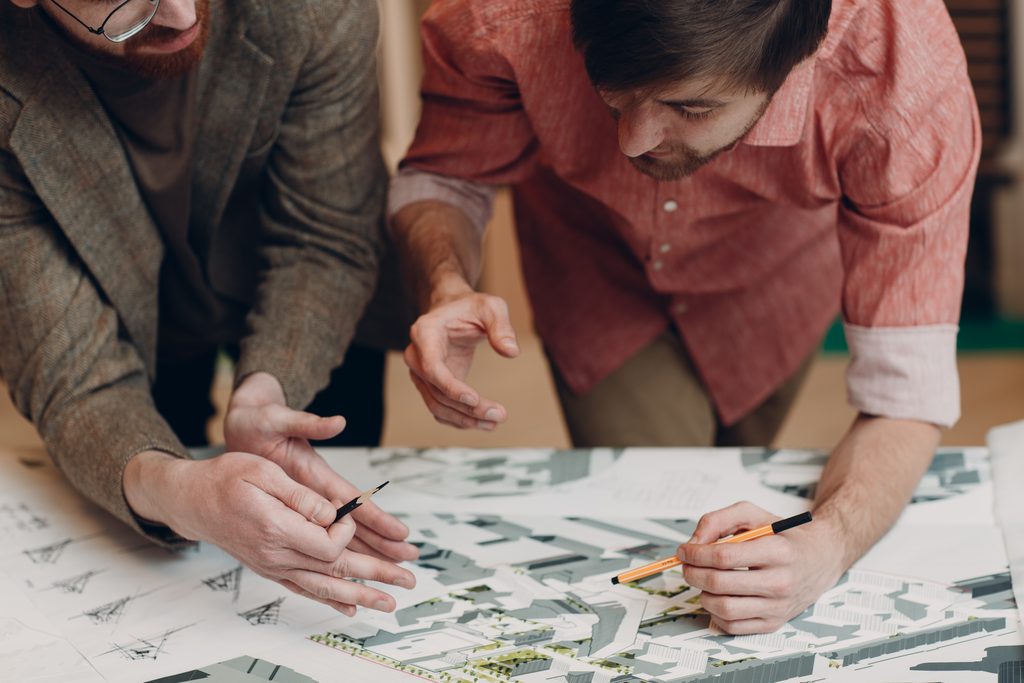
Urban planning is an essential component in sustaining the distinctiveness and desirability of legacy neighborhoods, ensuring they evolve thoughtfully while preserving their historical and architectural integrity.
Carefully designed zoning regulations prevent overdevelopment and maintain the harmonious scale of these communities, protecting their unique character from being overshadowed by modern expansions. By prioritizing balance, urban planning creates an environment where tradition and progress coexist seamlessly.
Green spaces and public areas are often central to the layout of legacy neighborhoods, fostering a connection between residents and their surroundings. Strategically placed parks, tree-lined streets, and open spaces not only enhance the aesthetic appeal but also promote wellness and encourage social interaction. These features reflect a commitment to creating neighborhoods that are both livable and inspiring.
Transportation and accessibility are equally significant aspects of urban planning in these areas. Thoughtfully integrated infrastructure ensures that legacy neighborhoods are connected to broader urban centers without compromising their serene residential atmosphere. Walkable streets, well-maintained transit options, and proximity to essential services enhance convenience for residents, supporting a lifestyle that is both practical and fulfilling.
Equally important is the adaptive reuse of historical spaces. By repurposing older buildings for modern needs—such as converting former factories into creative spaces or residences—urban planners honor the historical roots of the area while introducing new functionality. This approach not only preserves the visual and cultural essence of the neighborhood but also enriches its relevance for contemporary living.
Attention to detail in design and functionality is a hallmark of successful urban planning in legacy neighborhoods. Infrastructure is meticulously maintained, streetscapes are carefully curated, and architectural standards are upheld to ensure that any new developments align with the area’s established aesthetic. This level of care contributes to a cohesive atmosphere, reinforcing the neighborhood’s reputation as a place of quality and refinement.
Through deliberate, forward-thinking strategies, urban planning helps sustain the authenticity and enduring allure of these cherished communities.
Challenges Facing Legacy Neighborhoods
While legacy neighborhoods are celebrated for their enduring charm and historical significance, they are not without their complexities.
One pressing challenge is maintaining a balance between modernization and preservation, as communities work to meet the evolving needs of residents while safeguarding the architectural and cultural essence that defines these areas. The introduction of new technologies and infrastructure, while necessary for contemporary living, must be carefully managed to ensure they integrate seamlessly with the neighborhood’s established character.
Rising property values, a hallmark of these desirable communities, can also lead to concerns around affordability and accessibility. As demand for homes in legacy neighborhoods grows, long-term residents may face financial pressures, and younger generations or first-time buyers may find it increasingly difficult to join these communities. This economic dynamic often sparks debates about how to retain the inclusive spirit that many of these neighborhoods were originally built upon.
The challenges of sustainability also come into play. Preserving historic buildings requires significant resources, and the upkeep of older infrastructure can become costly over time. Community leaders and planners must explore innovative approaches to restoration and maintenance that are both environmentally and economically sustainable. Incorporating energy-efficient systems and eco-conscious materials can help these neighborhoods remain forward-thinking while staying true to their historic roots.
Cultural shifts, too, present potential hurdles. As demographics evolve and the lifestyles of residents change, legacy neighborhoods face the challenge of maintaining a cohesive community identity. The influx of diverse perspectives can enrich these areas but may also lead to tensions if not navigated thoughtfully. Encouraging open dialogue and fostering a sense of shared purpose are essential to preserving the social fabric that has long defined these communities.
Ultimately, addressing these challenges requires collaboration among residents, city planners, and preservationists, ensuring that legacy neighborhoods continue to flourish without compromising their unique appeal. This ongoing effort demands both innovation and respect for the traditions that make these spaces so extraordinary.
Desirable Legacy Neighborhoods
The enduring charm of legacy neighborhoods lies in their ability to adapt and evolve while holding steadfast to their rich histories and distinctive character.
These communities represent more than just places to live; they embody a lifestyle shaped by tradition, thoughtful design, and a deep sense of belonging. As society progresses, legacy neighborhoods must continue to strike a careful balance between honoring their past and embracing future opportunities.
Innovation will play a pivotal role in their longevity, with advancements in sustainable practices and adaptive reuse ensuring these neighborhoods remain relevant and vibrant. By integrating modern technologies into historic settings, legacy neighborhoods can meet the demands of contemporary living without compromising their essence. This forward-thinking approach will not only preserve their timeless appeal but also position them as leaders in demonstrating how heritage and innovation can coexist.
Equally important will be fostering inclusivity and ensuring these neighborhoods remain accessible to a diverse array of residents. Encouraging a dynamic mix of perspectives and experiences will enhance the cultural richness that has always defined these areas. Strengthening community bonds and supporting initiatives that celebrate shared heritage will reinforce the sense of identity that draws people to legacy neighborhoods in the first place.
The role of thoughtful urban planning cannot be understated as these communities navigate an evolving landscape. Prioritizing green spaces, maintaining cohesive architectural standards, and enhancing connectivity will support their continued success while ensuring they remain places of quality and refinement.
As future generations seek spaces that reflect both authenticity and modernity, legacy neighborhoods will need to rise to the challenge, demonstrating resilience and vision. With the collective effort of residents, preservationists, and planners, these communities will continue to thrive as cornerstones of heritage, innovation, and unparalleled desirability—proving that some addresses are, indeed, timeless.
Looking to elevate your property’s listing? Reach out to us today to learn about our exclusive media and marketing services!
Discover a curated collection of hyperlocal premium real estate videos and images available exclusively through our dedicated stock photo library.